

THIS POST MAY CONTAIN AFFILIATE LINKS. PLEASE SEE MY DISCLOSURES. FOR MORE INFORMATION.
In a financial environment marked by unpredictability and change, investors are searching for assets that promise long-term stability.
Among these, precious metals, including gold, silver, platinum, and palladium, stand out as dependable means of preserving wealth.
Their appeal is not just rooted in tradition but in their proven ability to perform during both economic growth and uncertainty.
Whether you are a seasoned investor or new to the world of alternative assets, working with trusted partners such as Preserve Gold can help you explore these valuable opportunities and make informed decisions.
Precious metals continue to play a vital role in global markets, offering protection against inflation, market volatility, and geopolitical risks.
Their tangible nature assures investors during times when other paper-based or digital investments feel fragile.
By gaining a deeper understanding of their advantages, you can see why these metals remain an intelligent financial move for individuals seeking to strengthen their portfolios.
Hedge Against Inflation
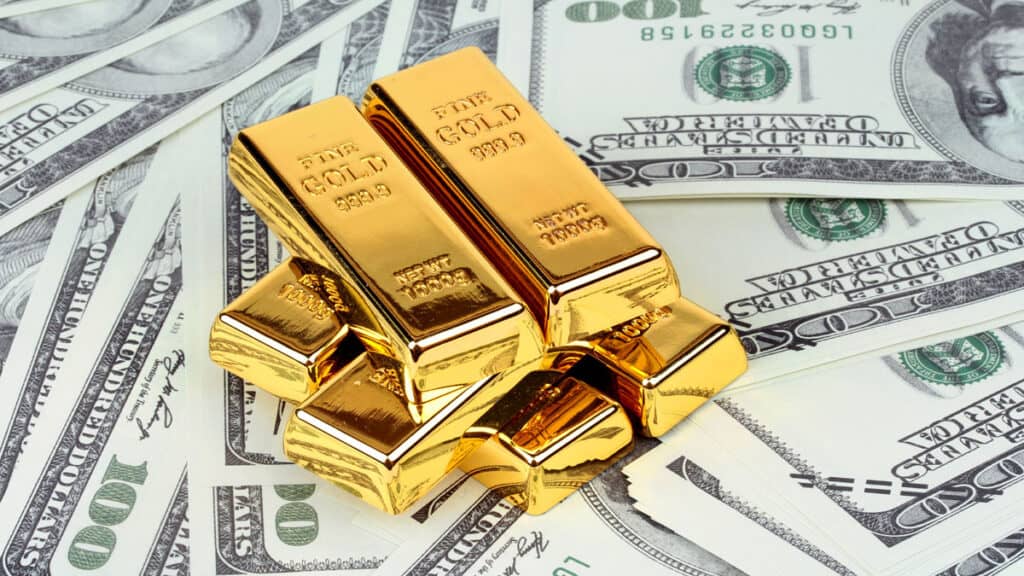
One of the most widely recognized benefits of investing in precious metals is their ability to hedge against inflation.
Inflation gradually lowers the value of money by increasing the prices of goods and services, which eats away at your purchasing power over time.
During such periods, assets like gold and silver have historically outperformed many other investments.
For example, when inflation spikes and currency values dip, gold prices often move in the opposite direction, acting as a safe harbor for investors.
This reliable counterbalance to inflationary pressures makes precious metals a strategic tool for anyone looking to protect their wealth, especially in uncertain economic climates.
Portfolio Diversification
Diversifying your investment portfolio is key to managing overall risk and ensuring more consistent returns.
Precious metals provide diversity because they tend to behave differently from typical investments like stocks or bonds.
When financial markets experience turbulence and traditional asset classes struggle, precious metals often hold their value or even rise.
This low correlation not only helps cushion against market swings but also provides a complementary layer to a well-structured investment plan.
According to Forbes, including gold or other metals in your investment mix can reduce overall portfolio volatility.
Tangible Assets in Uncertain Times
The physical nature of precious metals sets them apart from most other assets, particularly in times of crisis.
Unlike digital currencies or equities held electronically, precious metals are tangible and can be stored, transported, or handed down through generations.
This physicality serves as a reassurance during events such as systemic financial failures, cyberattacks, or periods of geopolitical tension.
When confidence in banking institutions or global stability wanes, having direct access to physical gold, silver, or platinum can offer peace of mind and practical value.
This is why investors have turned to precious metals during some of history’s most turbulent periods, from the Great Depression to the 2008 financial crisis.
Industrial Demand and Utility
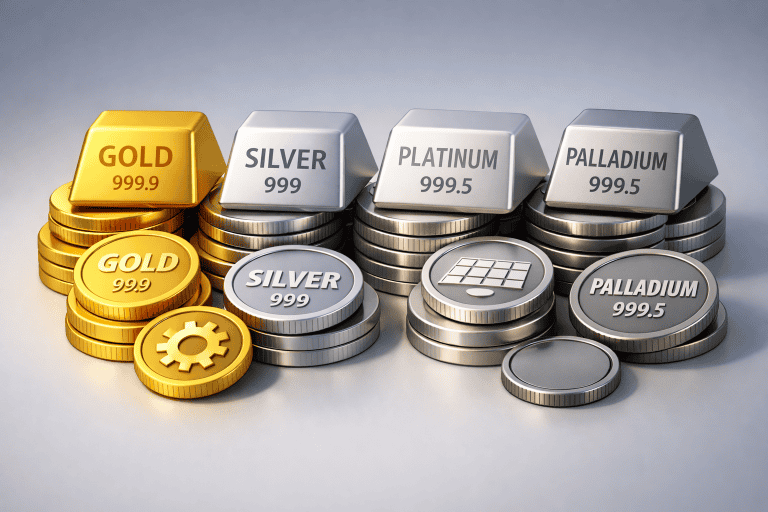
While precious metals hold significant allure for investors, their relevance extends far beyond the world of finance.
Many industrial sectors depend heavily on these metals for technological and manufacturing processes.
Silver, for instance, plays a pivotal role in electronics, medicine, solar panels, and electric vehicles.
Platinum and palladium are crucial for catalytic converters in cars, which help reduce harmful emissions.
The ongoing shift toward green technologies and renewable energy further boosts the demand for these metals.
The dual nature of precious metals – as both safe-haven assets and raw materials essential to modern industry – adds to their intrinsic value and provides broader support for prices over the long term.
Historical Performance
A look at the track record of precious metals offers more evidence of their effectiveness as long-term stores of value.
Gold, in particular, has risen significantly over recent decades, surpassing $2,700 per ounce in October 2024.
Silver, platinum, and palladium have also demonstrated resilience during economic downturns and often rise in price when other investments falter.
Over time, these metals have not only weathered multiple economic cycles but also provided investors with “insurance” against unforeseen global disruptions.
Their capacity to retain value and, in some cases, appreciate, makes them particularly valuable in any comprehensive financial strategy.
Considerations for Investors
Despite their advantages, investing in precious metals requires some unique considerations.
Storage presents a key issue: secure vaults or insured deposit boxes come with costs that can add up over time.
Liquidity is another factor, as some metals or specific forms (like rare coins) are less easily converted to cash than others.
It’s also worth noting that metal prices can experience short-term volatility based on global events or shifts in industrial demand.
Rather than relying exclusively on precious metals, most experts recommend allocating a thoughtful percentage of your portfolio to them.
Everybody’s financial circumstances are unique, so discussing your objectives with a qualified financial advisor will help ensure you use precious metals as part of a balanced, diversified plan.
Final Thoughts
Precious metals remain a wise financial choice for those seeking stability, protection against inflation, and portfolio diversification.
Their unique combination of investment potential, tangible security, and industrial utility reinforces their long-standing appeal.
By understanding both the benefits and risks of these enduring assets and partnering with experienced professionals, investors can confidently navigate uncertain markets and protect their financial future.
- Read now: How to survive as stock market crash
- Read now: Discover the best short term investments
