

THIS POST MAY CONTAIN AFFILIATE LINKS. PLEASE SEE MY DISCLOSURES. FOR MORE INFORMATION.
Remember when grocery shopping didn’t feel like a financial stress test?
You’d toss a few things into the cart without giving them much thought. Chips for movie night. A carton of eggs. A bottle of olive oil. Maybe a frozen pizza for an easy dinner.
Today?
Many of those same everyday purchases now make people stop, look at the price tag, and quietly put them back on the shelf.
It’s not always because people can’t afford them.
Sometimes it’s the principle.
When something doubles in price, shrinks in size, or simply doesn’t feel worth what companies are charging anymore, people start looking for alternatives—or skipping it altogether.
Here are some of the everyday staples that shoppers increasingly say just aren’t worth the price anymore.
1. Olive Oil
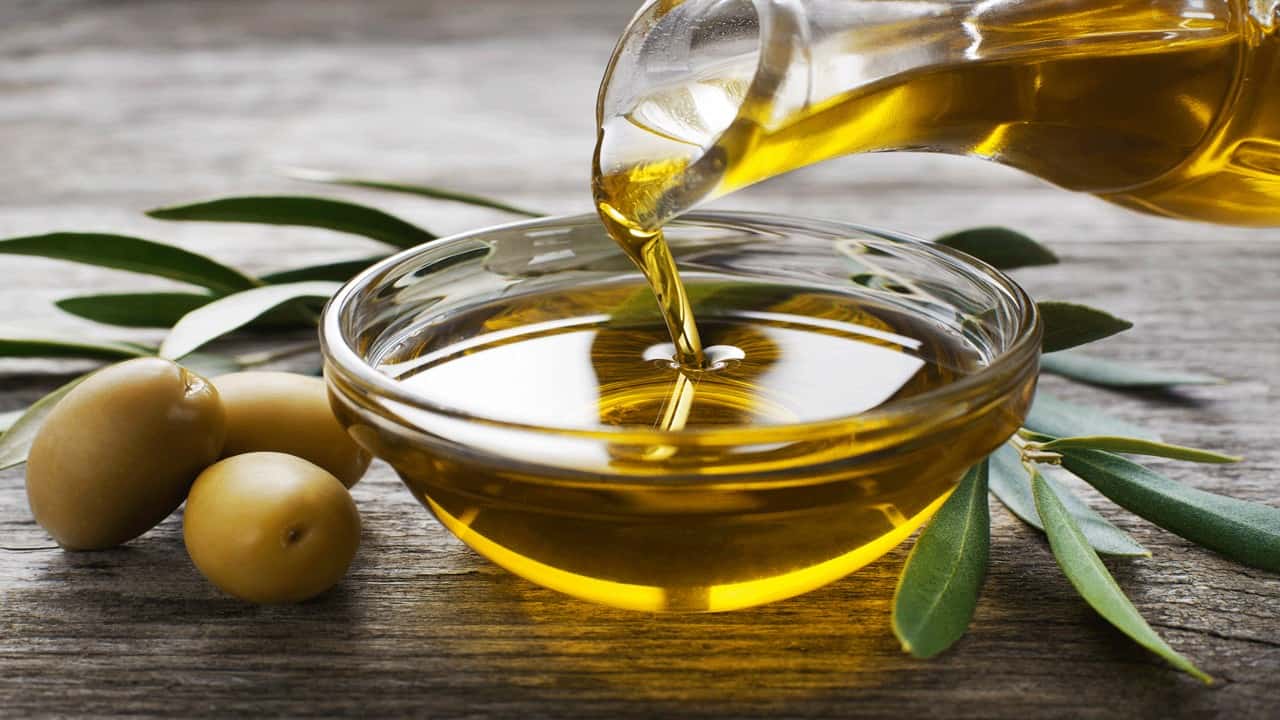
Few grocery items have experienced sticker shock quite like olive oil.
Over the past few years, prices have climbed dramatically thanks to poor olive harvests caused by drought, rising production costs, and supply shortages in major olive-producing countries.
For many families, olive oil used to be something you automatically tossed into the shopping cart.
Now?
People are checking prices, comparing brands, buying smaller bottles, or waiting for sales before replacing an empty one.
In some areas, bottles have become so expensive they’re being locked behind glass alongside electronics and other high-theft items.
That’s not something many shoppers ever expected to see.
If there’s one grocery item that perfectly illustrates how much prices have changed, olive oil might be it.
2. Eggs
Eggs were once one of the cheapest sources of protein you could buy.
Need a quick breakfast? Make scrambled eggs.
Trying to eat healthier? Eggs.
Looking for an inexpensive dinner? Egg sandwiches.
For years they were one of the few foods people could count on being affordable.
Then bird flu outbreaks devastated egg supplies and prices exploded.
Although prices have come down in many areas, they’re still much higher than many shoppers remember.
That has left plenty of people questioning whether a simple omelet should really cost as much as it does.
When one of the most basic foods in America suddenly becomes expensive, people notice.
3. Potato Chips
It’s hard to justify paying six or seven dollars for something that’s gone before halftime.
Potato chips have quietly become one of the most frustrating purchases at the grocery store.
It’s not just the price.
It’s the shrinkflation.
Bags seem smaller.
There’s still way too much air inside.
And somehow the “family size” bag now looks suspiciously similar to what a regular bag used to be.
Many shoppers have started waiting for sales, switching to store brands, or skipping chips altogether unless they’re entertaining.
After all, paying nearly the price of a meal for a bag of snacks starts to feel a little ridiculous.
4. Soft Drinks
Remember when grocery stores constantly advertised four 12-packs for $10?
Those promotions feel like ancient history.
Now you’re lucky to find three for nearly twice that price.
Single bottles at convenience stores often cost almost three dollars each.
Even the smaller eight-ounce cans that many people buy for portion control have seen massive price increases.
For families that drink soda regularly, the extra cost adds up quickly.
As a result, more shoppers are buying generic brands, waiting for holiday sales, or simply drinking more water instead.
5. Cereal
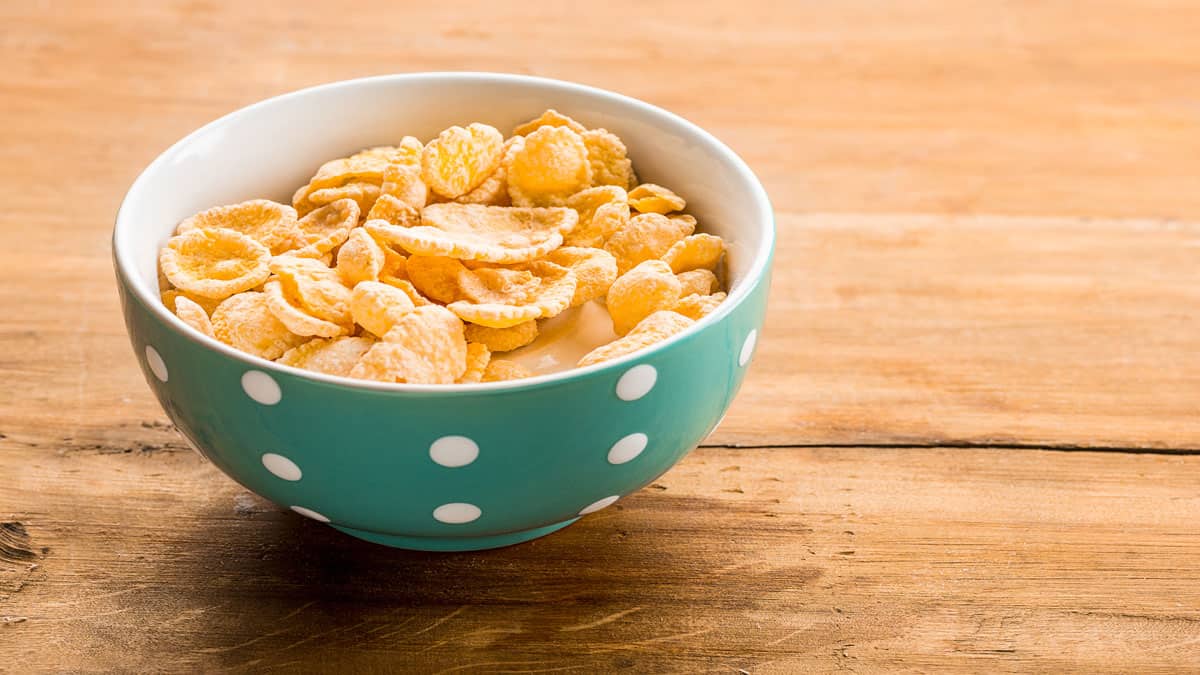
Cereal used to be one of the easiest and cheapest breakfasts you could make.
Pour. Add milk. Done.
Today, many name-brand boxes cost six or seven dollars—and somehow seem to contain less cereal than ever before.
Families who go through multiple boxes each week really feel those increases.
Some have switched to store brands.
Others wait for buy-one-get-one sales.
And plenty of people have decided to skip cereal altogether in favor of oatmeal, eggs, yogurt, or even intermittent fasting.
When breakfast starts feeling like a luxury purchase, people naturally begin looking for alternatives.
6. Butter
Butter has become another victim of rising grocery prices.
A package of four sticks that once cost just a few dollars can now easily approach eight or nine dollars depending on where you shop.
Baking enthusiasts feel the pain even more.
Holiday cookies, cakes, and pies suddenly become much more expensive when every recipe calls for multiple sticks of butter.
Some shoppers stock up whenever butter goes on sale and freeze extra packages.
Others have started using margarine or alternative spreads more often.
Either way, it’s another example of a kitchen staple that no longer feels inexpensive.
7. Orange Juice
Orange juice has quietly become one of the most expensive beverages in the grocery store.
Disease affecting citrus trees, poor harvests, and rising transportation costs have all pushed prices higher.
At the same time, cartons have gradually gotten smaller.
Years ago, buying a half-gallon felt normal.
Now many containers hold noticeably less while costing significantly more.
For families that enjoy a glass of juice every morning, those increases add up quickly.
Many have started buying frozen concentrate again or simply skipping orange juice altogether.
8. Fast Food
Fast food used to be exactly what the name implied.
Fast. Cheap. Convenient.
Now it’s often only two out of three.
Ordering a combo meal for one person can easily cost $12 to $18.
Feed a family of four and suddenly you’re spending restaurant money.
That’s why more people are questioning whether fast food is actually a good value anymore.
Some have gone back to packing lunches.
Others meal prep breakfast sandwiches or burgers at home and freeze them for later.
Ironically, one of the biggest reasons people originally embraced fast food—saving money—has largely disappeared.
9. Frozen Pizza
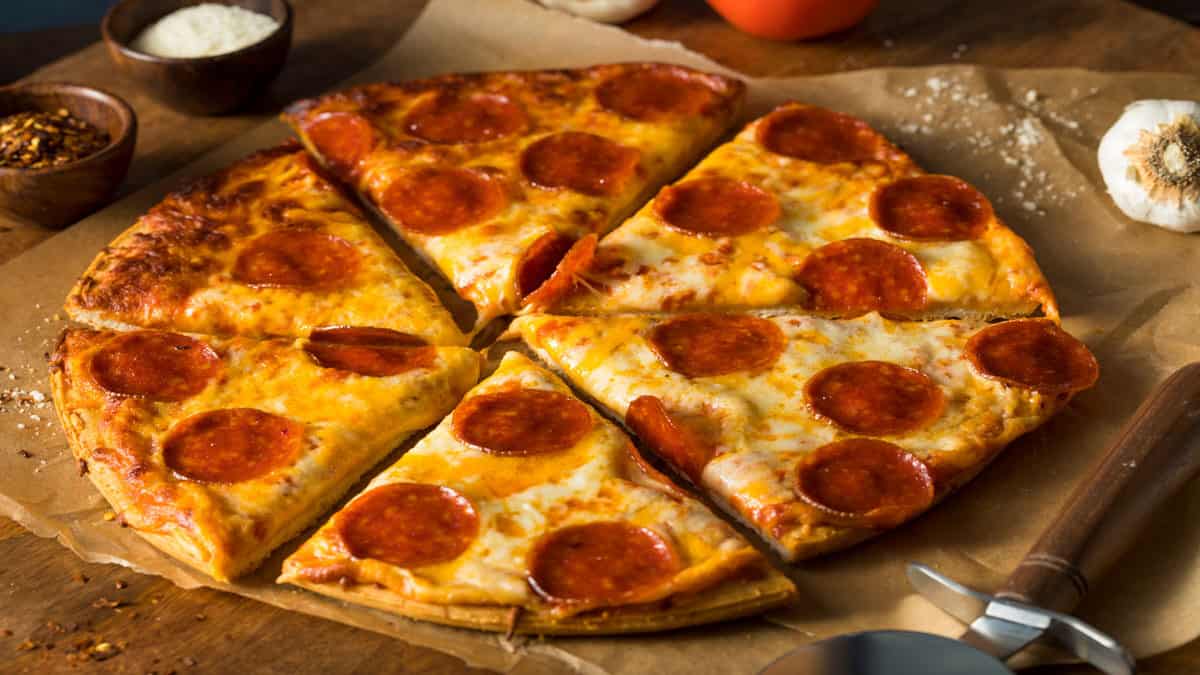
Frozen pizza was never supposed to beat your favorite local pizza shop.
It existed because it was cheap.
You knew it wouldn’t be perfect.
But for five or six dollars, it was hard to complain.
Now?
Many frozen pizzas are approaching ten dollars.
Add a salad and a drink, and you’re surprisingly close to what a local pizzeria charges for a freshly made pizza.
When the “budget option” starts costing almost as much as the real thing, people naturally start asking whether it’s still worth buying.
10. Coffee
Whether you’re brewing it at home or buying it from a coffee shop, coffee has become noticeably more expensive.
Ground coffee, whole beans, flavored creamers, and even basic filters have all increased in price.
Meanwhile, grabbing coffee on the way to work has become an expensive habit.
A specialty drink can easily cost six or seven dollars before tip.
That’s more than many people used to spend on lunch.
As a result, more coffee drinkers are investing in home espresso machines, brewing larger batches at home, or limiting coffee shop visits to an occasional treat instead of a daily routine.
11. Cable Television
Remember when people started canceling cable because streaming was supposed to save money?
Back then, paying over $100 a month for hundreds of channels—most of which you never watched—felt outrageous.
Fast forward a few years, and many cable bills have climbed even higher.
By the time you add equipment rentals, regional sports fees, broadcast fees, taxes, and premium channels, some households are paying well over $200 every month.
That’s more than many car payments.
It’s no wonder millions of Americans continue cutting the cord each year.
The frustrating part is that cable companies often offer fantastic deals—but only to new customers. Loyal subscribers are usually the ones paying the highest prices.
12. Streaming Services
Streaming was supposed to replace cable.
Instead, it slowly became cable all over again.
At first, one subscription gave you access to almost everything you wanted to watch.
Now?
Your favorite shows are scattered across Netflix, Disney+, Max, Hulu, Peacock, Paramount+, Apple TV+, Prime Video, and several others.
Each one raises prices every year.
Many have introduced more expensive ad-free plans.
Others now charge extra if you share your password.
Before you know it, you’re paying for six or seven subscriptions and wondering how your “cheap” entertainment now costs over $100 a month.
Many families have started rotating subscriptions instead—paying for one service, watching everything they want, canceling it, and moving on to the next.
13. New Cars

Buying a new car used to be a major purchase.
Now it feels like buying a second house.
The average new vehicle price has climbed close to $50,000, and many popular trucks and SUVs easily top $70,000 before taxes and fees.
Monthly payments that once seemed outrageous have somehow become normal.
It’s no surprise more drivers are keeping their vehicles longer than ever before.
Instead of trading in every three or four years, people are squeezing another five—or even ten—years out of their current vehicles.
Modern cars are lasting longer, and with today’s prices, keeping an older vehicle running often makes far more financial sense.
14. Gasoline
People don’t just complain about gas prices because filling up costs more.
They complain because it’s impossible to budget for.
One week, prices are reasonable.
A month later, they’ve jumped another fifty cents—or more.
For families with long commutes, multiple drivers, or kids involved in sports and activities, fuel has become one of the biggest monthly expenses.
That’s led more people to combine errands, work remotely when possible, carpool, or simply drive less.
It’s not always about saving the planet.
Sometimes it’s just about saving fifty bucks.
15. Lumber
A few years ago, do-it-yourself projects were one of the best ways to save money.
Need a raised garden bed? Build one.
Want a bookshelf? Make it yourself.
Then lumber prices exploded.
People who planned simple backyard projects suddenly found themselves spending hundreds—or even thousands—more than expected.
Some homeowners discovered it was actually cheaper to buy finished furniture than purchase the wood needed to build it themselves.
Prices have settled somewhat from their peak, but many DIY enthusiasts still experience sticker shock every time they walk into a home improvement store.
16. Home Improvement Projects
It’s not just lumber.
Nearly every material needed for home renovation has become more expensive.
Doors. Windows. Drywall. Flooring. Paint. Electrical supplies. Plumbing fixtures.
Even simple weekend projects can now cost several hundred dollars before you’ve picked up a single tool.
Many homeowners have shifted from remodeling entire rooms to tackling smaller improvements over time.
Others are postponing projects altogether, hoping material costs eventually come back down.
When replacing a handful of interior doors can cost thousands of dollars, it’s easy to understand why.
17. LEGO Sets

LEGO has always been a premium toy.
But today’s prices can still catch parents by surprise.
Many licensed sets now cost well over $100.
Collector editions regularly sell for several hundred dollars.
Even modest-sized sets often start around $40 or $50.
The quality is still excellent.
The creativity is still there.
But many parents remember when a trip to the toy store meant picking up a fun LEGO set for twenty bucks.
Today, that same amount might only buy a small expansion pack.
It’s one reason birthdays and holidays have become the primary time kids receive LEGO instead of random weekend surprises.
18. Greeting Cards
Greeting cards may be one of the worst values in the entire store.
Walk into the card aisle today and it’s not uncommon to see prices between $6 and $9 for a single card.
Think about that.
You’re paying almost ten dollars…for something someone will probably read in under thirty seconds before putting it on the kitchen counter for a week.
Eventually it ends up in a drawer—or the recycling bin.
No wonder so many shoppers head straight to the dollar store or make their own cards at home.
Some people have even started skipping cards altogether and simply writing a thoughtful note inside the gift instead.
It’s more personal…and considerably cheaper.
19. Ice Cream
Ice cream hasn’t just become more expensive.
It’s become smaller.
Many brands quietly reduced container sizes over the years.
What used to be a half gallon became 1.75 quarts.
Then 1.5 quarts.
Some brands have shrunk even further.
At the same time, prices continued climbing.
Many shoppers have also noticed that some brands seem lighter and fluffier than they remember.
That’s because manufacturers can increase the amount of air mixed into ice cream—a process called overrun—to stretch ingredients further.
The result is a softer product that often feels less satisfying.
It’s another example of paying more while getting less.
20. Beef
If you’ve purchased steaks or ground beef lately, you’ve probably noticed prices climbing steadily.
Even inexpensive cuts aren’t nearly as inexpensive as they once were.
For families who regularly grill burgers or enjoy steak dinners, grocery bills have increased dramatically.
Many shoppers have responded by buying beef only when it’s on sale, choosing smaller portions, or substituting chicken, pork, or turkey more often.
Others have embraced slow-cooker recipes that use less expensive cuts while still producing tender meals.
Beef hasn’t disappeared from dinner tables.
It’s simply become more of an occasional treat than an everyday staple.
21. Soup

Soup used to be one of the ultimate budget meals.
If money was tight, you could grab a few cans, make a couple of grilled cheese sandwiches, and feed the family without spending much at all.
Today, many canned soups cost two or three times what they did just a few years ago.
Even worse, many longtime shoppers have noticed the cans have gotten smaller while prices have climbed.
What used to be enough for two people now barely fills one bowl.
As a result, more people are making homemade soup in large batches, freezing leftovers, or waiting until their favorite brands go on sale before stocking up.
When soup stops feeling like the “cheap meal,” something has definitely changed.
22. Milk
Milk has always been a refrigerator staple.
Whether it’s poured over cereal, added to coffee, or used for cooking and baking, most families go through it quickly.
Unfortunately, it’s another grocery item that’s become noticeably more expensive.
Organic milk has seen some of the biggest increases, but even regular milk has climbed enough that shoppers are paying attention.
Some families have switched to store brands.
Others are buying shelf-stable milk for emergencies or experimenting with oat, almond, or soy milk when it’s on sale.
Regardless of what ends up in the refrigerator, very few people would argue milk feels like the bargain it once was.
23. Cheese
It seems impossible to leave the dairy aisle these days without experiencing sticker shock.
Blocks of cheddar. Shredded cheese. Mozzarella. Parmesan.
Everything costs more.
If you’re making homemade pizza, tacos, lasagna, or grilled cheese sandwiches, you feel it immediately.
Some shoppers have started shredding their own cheese from larger blocks because it’s often cheaper than buying the pre-shredded bags.
Others simply use less.
It’s another example of how inflation quietly changes everyday habits without people even realizing it.
24. Toilet Paper
The great toilet paper shortage of 2020 reminded everyone just how important this household staple really is.
Unfortunately, prices never seemed to return to what many shoppers remember.
At the same time, manufacturers have become masters of shrinkflation.
Instead of reducing the number of rolls, they quietly reduce the number of sheets per roll.
The packaging still looks almost identical.
Until you get home.
Many families now buy in bulk, watch warehouse club sales, or switch brands depending on whichever one happens to be discounted that week.
Because nobody wants to overpay for something that’s literally going down the drain.
25. Paper Towels
Paper towels have followed almost the exact same path as toilet paper.
Higher prices. Smaller rolls.
More marketing buzzwords designed to make comparisons nearly impossible.
“Triple rolls.”
“Mega rolls.”
“Double-plus rolls.”
At some point, buying paper towels started requiring a math degree.
Many families have responded by using washable microfiber cloths for everyday cleaning and saving paper towels for bigger messes.
It’s a simple change that saves money while reducing waste.
26. Laundry Detergent
Laundry detergent has become surprisingly expensive.
Walk down the cleaning aisle and it’s easy to find bottles selling for $20 or more.
At the same time, many bottles have quietly gotten smaller, meaning you’re paying more while getting fewer loads.
Some shoppers have switched to store brands.
Others use concentrated formulas more carefully instead of filling the cap to the top every time.
A growing number of people have even embraced laundry sheets or homemade detergent recipes to keep costs down.
When clean clothes become noticeably more expensive, families naturally start paying closer attention.
27. Buffalo Wings
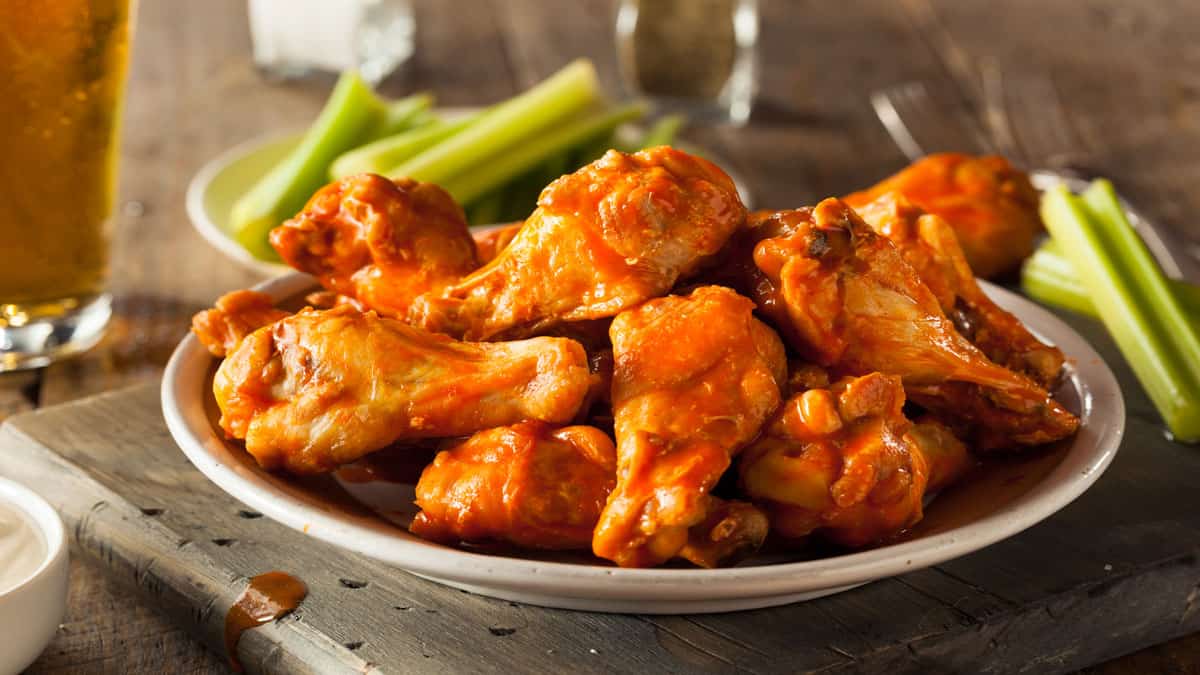
Remember ten-cent wing nights?
Even fifty-cent wings now feel like finding buried treasure.
Whether you’re buying wings at the grocery store or ordering them at a restaurant, prices have climbed dramatically.
For sports fans, wings used to be the affordable centerpiece of game day.
Now ordering two dozen wings, fries, and drinks can easily rival the cost of a nice dinner out.
Some people have switched to chicken thighs or drumsticks instead, while others simply save wings for special occasions.
It’s amazing how quickly something that once felt inexpensive became a splurge.
28. Eating Out
Restaurant meals have always cost more than cooking at home.
The difference is that the gap keeps getting bigger.
Between higher menu prices, taxes, tips, and drinks, even casual restaurants can leave a family of four with a bill approaching—or exceeding—$100.
That doesn’t mean people have stopped eating out entirely.
They’re simply doing it less often.
Many families have shifted from eating out every week to once or twice a month.
Others reserve restaurants for birthdays, anniversaries, or celebrations instead of treating them as a convenient weeknight option.
Dining out has slowly become more of an event than a habit.
29. Cell Phones
It wasn’t that long ago when spending $500 on a phone seemed outrageous.
Now flagship smartphones routinely start around $1,000.
Some premium models cost considerably more.
Manufacturers continue adding impressive cameras, brighter screens, and faster processors.
The problem?
For many people, those improvements simply aren’t worth upgrading every year.
Instead, consumers are hanging onto their phones for four, five, or even six years before replacing them.
As long as the battery still lasts and the screen isn’t cracked, many people would rather keep the money than own the newest model.
30. Makeup
Makeup has quietly become one of the most expensive recurring purchases for many households.
Foundation.
Mascara.
Concealer.
Primer.
Setting spray.
None of them are inexpensive anymore.
That’s led many shoppers to become much more selective.
Instead of buying every new product that goes viral on social media, they’re replacing only the products they actually use.
Others have discovered that a solid skincare routine lets them wear less makeup altogether.
Sometimes spending a little more on healthy skin ends up saving money on cosmetics in the long run.
31. Medical Care
Few expenses have risen as consistently—or as painfully—as healthcare.
It’s not just doctor visits.
Prescription medications, dental work, vision care, urgent care, and even routine checkups seem to cost more every year.
For many families, the most frustrating part is that they’re already paying hundreds of dollars each month for health insurance.
Then they still face deductibles, copays, coinsurance, and surprise bills.
As a result, some people postpone routine appointments, stretch prescriptions longer than they should, or shop around for lower-cost providers.
While delaying medical care isn’t ideal, rising healthcare costs have forced many families to make difficult decisions.
32. Christmas Trees
For many families, picking out a real Christmas tree is a cherished holiday tradition.
You bundle up.
Walk through rows of trees.
Argue over whether the perfect one is too tall.
Then wrestle it onto the roof of the car.
Unfortunately, that tradition has become much more expensive.
Depending on where you live, a nice real tree can easily cost $80 to $150—or more.
That has convinced many families to switch to artificial trees.
The upfront cost might be higher, but after using the same tree for five or six years, it usually pays for itself.
Modern artificial trees also look far more realistic than they did decades ago, making the decision a little easier.
33. Magazines
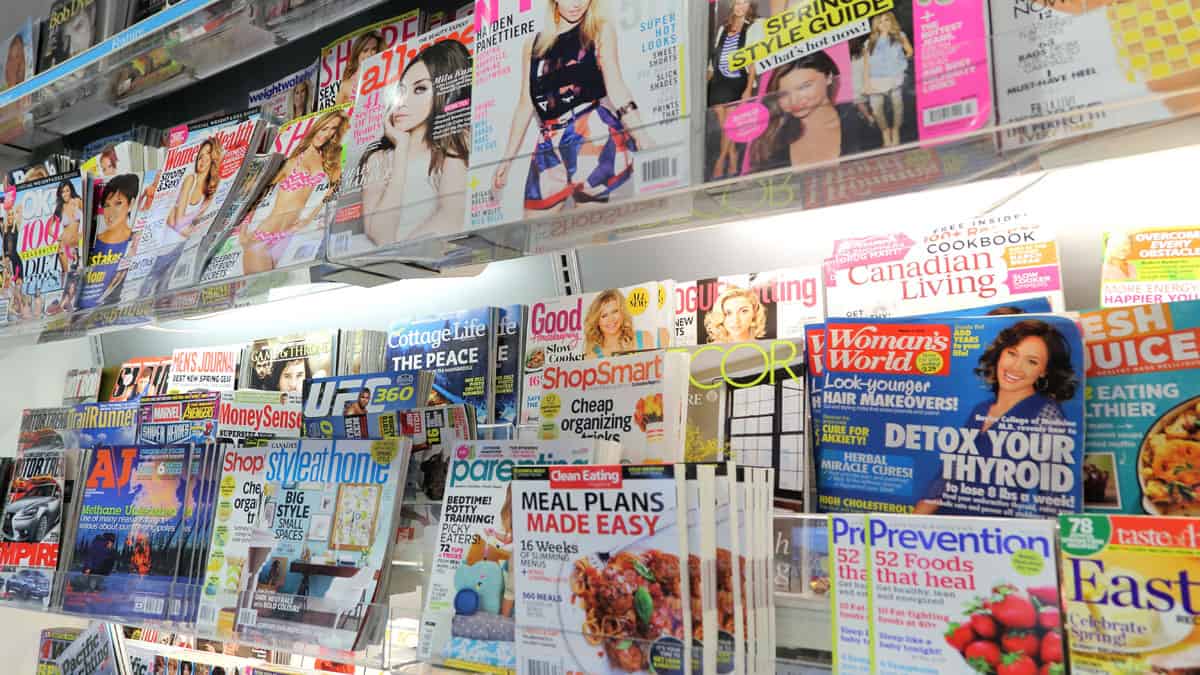
Buying a magazine used to be an impulse purchase.
Waiting in the grocery checkout line?
Grab a magazine.
Heading to the beach?
Pick one up for the weekend.
Today, many single issues cost anywhere from $8 to $15.
At those prices, it’s no surprise readers often decide to skip them altogether.
After all, much of the same information is available online for free.
Print magazines still have their place, especially for collectors and enthusiasts.
But for the average shopper, paying ten dollars for something they’ll finish in an afternoon has become a tough sell.
34. Feminine Hygiene Products
For millions of women, these aren’t optional purchases.
They’re necessities.
That’s exactly why rising prices have become such a major concern.
Tampons, pads, liners, and other hygiene products have steadily increased in cost over the years, placing additional pressure on already-stretched household budgets.
Many women have responded by switching brands, buying in bulk during warehouse club sales, or choosing reusable alternatives such as menstrual cups or period underwear.
Those options aren’t right for everyone, but they can provide significant savings over time.
When essential products become more expensive, families don’t have the luxury of simply going without.
They have to find creative ways to spend less.
35. Diapers
Parents often joke that babies should come with a second paycheck.
Diapers are one of the biggest reasons why.
A newborn can go through eight to twelve diapers every single day.
When prices increase—even by a small amount—the impact adds up surprisingly fast.
Some families save money by buying warehouse-sized boxes.
Others use store brands that perform nearly as well as premium options.
A growing number of parents also mix in reusable cloth diapers at home while using disposable diapers when they’re away.
Whatever approach they choose, very few parents would describe diapers as affordable anymore.
36. Ebooks
When ebooks first became popular, many readers assumed digital books would always be significantly cheaper than printed ones.
After all, there’s no paper, printing, or shipping involved.
Instead, many new releases now sell for nearly the same price as hardcover or paperback editions.
That leaves readers wondering what exactly they’re saving.
As a result, more people are borrowing ebooks through their local library using apps like Libby, waiting for digital sales, or purchasing used physical books instead.
Convenience is wonderful.
But many readers still expect digital products to cost less than their physical counterparts.
The Bottom Line
Inflation has changed the way nearly everyone shops.
Some people are buying store brands instead of name brands.
Others are waiting for sales, buying in bulk, or simply deciding they can live without things they once considered everyday staples.
In many cases, it isn’t that these products suddenly became bad.
They simply crossed an invisible price line where shoppers no longer feel they’re getting good value.
And that’s really the biggest lesson.
People don’t usually stop buying something because it’s expensive.
They stop buying it when the price no longer feels justified.
Whether it’s a bag of chips, a streaming subscription, a family meal at a fast-food restaurant, or a bottle of olive oil, consumers are becoming far more intentional about where their money goes.
With prices continuing to fluctuate, one thing seems certain:
Companies may decide what products cost.
But shoppers ultimately decide whether they’re worth paying for.
