

THIS POST MAY CONTAIN AFFILIATE LINKS. PLEASE SEE MY DISCLOSURES. FOR MORE INFORMATION.
There’s nothing wrong with buying secondhand.
In fact, some of the best deals you’ll ever find come from thrift stores, Facebook Marketplace, garage sales, and resale shops.
I’ve bought used furniture.
Used tools.
Used sporting equipment.
Even used cars.
The trick is knowing the difference between a bargain and a future headache.
Because while some items age beautifully, others hide problems you won’t discover until after you’ve handed over your money.
And by then, it’s usually too late.
Here are some of the items that deserve extra caution before you buy them used.
Mattresses

A used mattress might look perfectly fine.
That’s the problem.
You can’t see dust mites, allergens, bed bugs, body oils, sweat, or years of wear hiding beneath the surface.
Even if a mattress looks clean, there’s no way to know how it was stored or what it has been exposed to.
And unlike a used dresser or kitchen table, you’re spending roughly a third of your life on it.
Saving a few hundred dollars isn’t always worth risking poor sleep or unwanted pests.
Car Seats
This is one of the few categories where “better safe than sorry” absolutely applies.
A car seat can be involved in an accident and still appear perfectly normal.
The damage is often internal and impossible to see.
That’s what makes buying used so risky.
Unless you’re getting the seat from a trusted friend or family member who can verify its history, you’re taking a gamble with something designed to protect a child’s life.
That’s not a gamble most parents want to take.
Running Shoes
Most people judge shoes by how the outside looks.
Your feet don’t.
Running shoes lose cushioning long before they start looking worn out.
That’s why a pair of used shoes can feel perfectly fine when you pick them up and completely different after a few miles.
You also inherit the previous owner’s wear patterns, which may not match your stride at all.
What feels like a bargain can quickly become sore knees, aching feet, and buyer’s remorse.
Cribs

Baby products are constantly being updated as safety standards improve.
A crib that was considered safe ten years ago might not meet today’s guidelines.
The bigger issue is that many older cribs have been recalled, modified, repaired, or assembled incorrectly over the years.
The seller may not even realize there’s a problem.
When it comes to infant safety, “probably fine” isn’t the standard you want.
Tires
Used tires can look like incredible deals.
Sometimes they are.
Sometimes they’re disasters waiting to happen.
The tread depth tells only part of the story.
Tires also age.
They can suffer internal damage, sidewall issues, improper repairs, and dry rot that isn’t immediately obvious.
Since your tires are the only thing connecting your vehicle to the road, this isn’t the place to take unnecessary risks.
Laptops
Used laptops aren’t automatically bad purchases.
The problem is uncertainty.
How heavily was it used?
Has it been dropped?
Is the battery close to failure?
Will it receive security updates next year?
Those questions matter.
A refurbished laptop from a reputable seller can be a fantastic value.
A random laptop from a stranger online can be a completely different story.
The key isn’t avoiding used laptops.
It’s avoiding unknown histories.
Bicycle Helmets

Helmets are designed for one job:
Protecting your brain.
The catch is that many helmets are only designed to do that once.
After a crash, the internal foam can compress and lose its ability to absorb future impacts.
The scary part?
The damage is often invisible.
A used helmet may look brand new while offering significantly less protection.
That’s why most safety experts recommend buying new.
Vacuum Cleaners
This one surprises people.
A vacuum cleaner’s entire job is collecting dirt, dust, pet hair, allergens, and who-knows-what-else.
Over time, those things find their way deep into hoses, filters, seals, and internal components.
Even after cleaning, some used vacuums never quite feel clean.
And replacing worn parts can quickly erase whatever money you saved.
Wetsuits
A wetsuit only works if it fits properly and retains its insulating properties.
Unfortunately, neoprene breaks down over time.
The suit stretches.
The material compresses.
Performance declines.
You may save money buying used, only to discover you’re much colder in the water than expected.
Bedding
There’s a reason hotels spend so much effort on cleanliness.
People care about what touches their skin.
Used bedding can harbor allergens, odors, dust mites, pet dander, and other surprises that aren’t always obvious.
Fresh sheets may cost more.
But they also come with peace of mind.
Nonstick Cookware
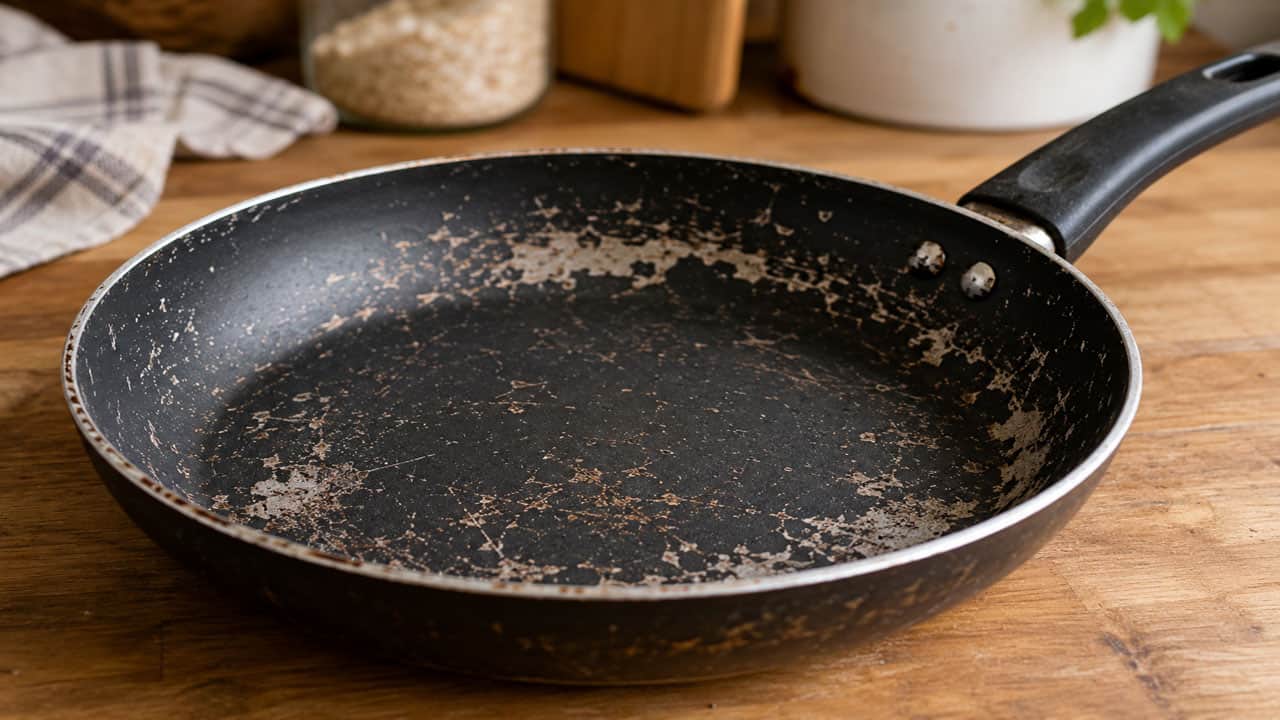
A used frying pan may seem harmless.
Until you look closely.
Scratches, chips, and worn coatings can reduce performance and potentially expose the material underneath.
The problem isn’t just appearance.
A pan that’s been overheated or abused for years may not perform the way it was designed to.
Considering how affordable many new nonstick pans have become, this is one category where buying new often makes more sense.
Climbing Ropes
Your life literally hangs from this item.
That’s all most people need to know.
Ropes can be damaged by sunlight, abrasion, improper storage, moisture, and hard falls.
Many of those issues aren’t visible from the outside.
Buying used climbing ropes means trusting a stranger with your safety.
Most experienced climbers won’t do that.
Electric Toothbrushes
Some items are simply too personal to buy secondhand.
This is one of them.
Yes, brush heads can be replaced.
But moisture, bacteria, mold, and wear can still affect the handle and internal components.
And let’s be honest.
Some things just feel better when they’re yours from day one.
Shoes
Not all used shoes are bad.
But heavily worn shoes often mold to the original owner’s feet.
That means you’re inheriting their walking pattern, pressure points, and wear habits.
Your feet may not appreciate the arrangement.
Smoke Detectors
Most people don’t realize smoke detectors have expiration dates.
The sensors lose effectiveness over time.
A used smoke detector might look perfectly functional while being years past its recommended lifespan.
For something designed to alert you during a fire, uncertainty isn’t ideal.
Life Jackets
A life jacket may look fine sitting on a shelf.
The problem is what you can’t see.
Foam can degrade. Straps can weaken. Materials can break down.
And unlike many purchases, you’ll never know it failed until you desperately need it.
That’s a terrible time to discover you bought the wrong one.
The Best Rule for Buying Used
The best secondhand purchases are usually things where failure is inconvenient.
The worst secondhand purchases are often things where failure affects:
- safety
- health
- hygiene
- sleep
- transportation
Saving money is important.
But sometimes the cheapest purchase ends up being the most expensive one.
The smartest shoppers don’t avoid buying used.
They simply know which items are worth the risk—and which ones aren’t.
