

THIS POST MAY CONTAIN AFFILIATE LINKS. PLEASE SEE MY DISCLOSURES. FOR MORE INFORMATION.
Knowing what it’s like to struggle for essential resources is something that many of us have never experienced.
Despite the luxury of many families in our society today, millions still face uncertainty every day from not knowing when their next meal may arrive or when they will get a chance to sleep under a roof without fear.
We will explore 14 unique experiences only children in poverty understand, an intimate look into the unseen daily struggles these individuals navigate through that many don’t know about nor can comprehend.
By understanding and recognizing the reality of what these people endure daily, we can be better equipped to support them with solutions and kindness rather than judgment and ignorance.
1. Extreme Hunger

It’s one thing to feel a slight hunger pang between regular meals.
However, living with the type of hunger that gnaws at your stomach incessantly because you haven’t eaten anything all day is quite another thing.
It’s the kind of hunger that arises when there is simply no food to be found within the confines of your own home.
In such dire circumstances, this insatiable hunger becomes so consuming that even the solace of sleep fails to provide any respite from its relentless grip.
The feeling of emptiness and longing intensifies, creating an overwhelming sense of desperation that words alone can hardly capture.
2. Other Kids Make Fun Of You

Growing up in poverty can be a difficult and lonely experience for children.
They often get teased and made fun of by other kids because they don’t have the same resources as theirs, leading to feelings of insecurity and isolation.
Not only this, but poor children are also more likely to face bullying since they are easy targets.
3. No Proper Shoes

People growing up poor don’t have a sizable collection of shoes to pick and choose from.
It’s common to wear the same shoes until they fall apart.
One individual we spoke with says, “You have to put grocery bags in your winter boots to ‘keep your feet dry’ when the boots have holes in them.”
Having a second pair of shoes is a luxury many impoverished families can’t afford.
4. Everything Old is New

Replacing obsolete or broken items is a common occurrence many take for granted. People who can’t afford to spend money replacing broken objects make do with what they have.
As described by one person, we talked to, “If your toys broke, you glued them/taped them; if you found an old toy, you just got a new toy.”
When purchasing new items, affordability can sometimes be a determining factor.
5. The Value of Leftover Food

Financially struggling households find it difficult to put food on the table.
There’s no room to waste or throw away food, so eating leftover food until it’s gone is the norm.
Many who grew up this way would express disbelief that some people would refuse to eat leftovers.
6. Wearing Hand-Me-Down Clothing

Everyone loves the feeling of getting and wearing brand-new clothes.
When a family lives paycheck to paycheck, new clothing is an expense they can’t afford unless necessary.
One friend of mine admits to growing up wearing hand-me-down clothing because their parents couldn’t afford to buy them new clothes as they outgrew them.
7. Housing Insecurity

The ability to comfortably make monthly rent or mortgage payments is something many people take for granted.
But for people experiencing poverty, paying rent each month can be a struggle, especially if there’s no one to turn to for help.
8. Constant State of Anxiety

Low-income people live in a constant state of anxiety because they know they’re one instance away from having nothing to eat, having their essential utilities shut off, or being homeless, says a user in the discussion.
Those in this position, often struggling to make ends meet, live on the edge of financial disaster.
With meager incomes, they face the constant risk of slipping into financial turmoil, as a single missed paycheck or unexpected expense can have profound consequences on their already precarious situation.
9. Government Surplus Food
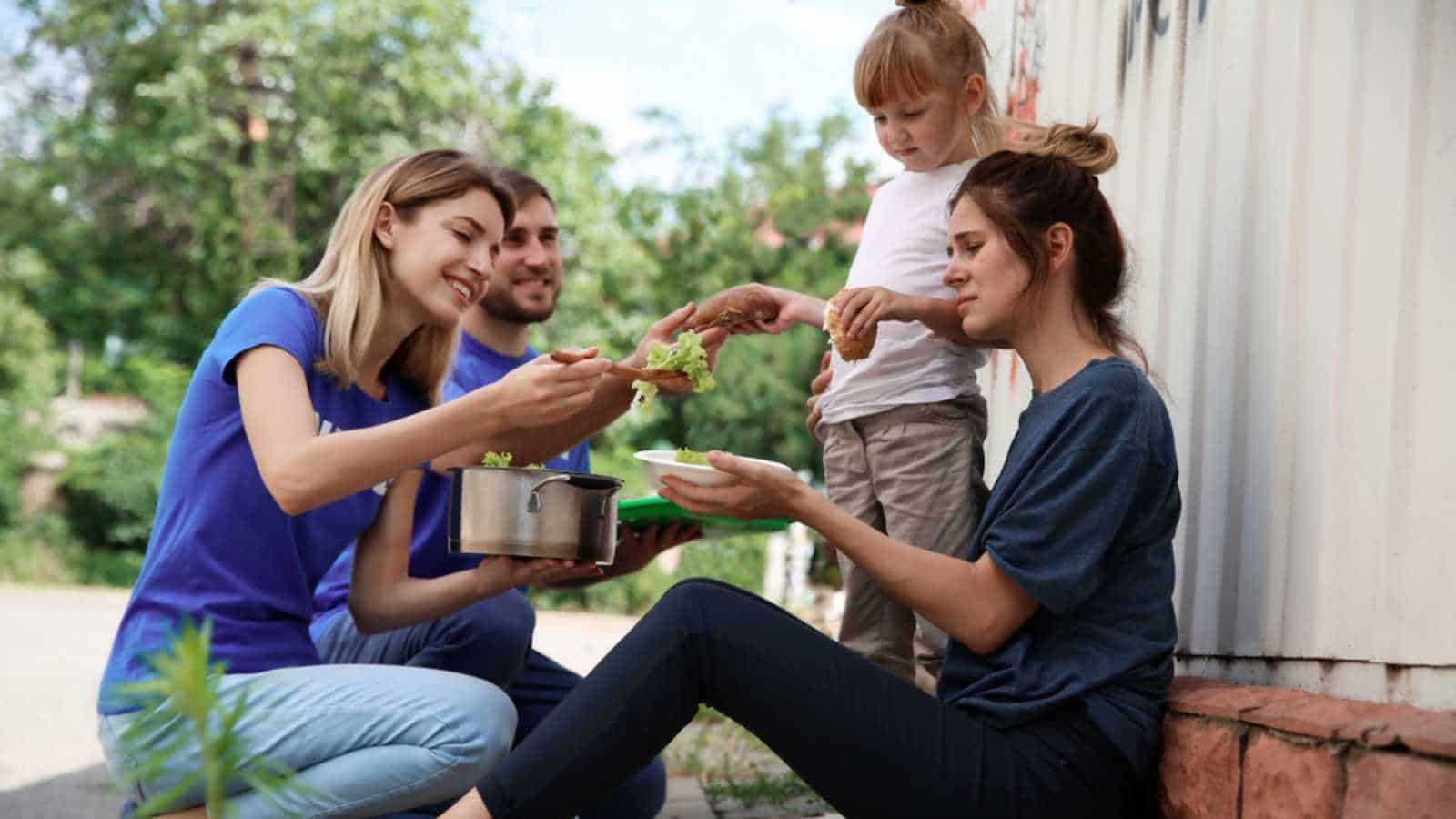
Families living below the poverty level frequently rely on government surplus food programs to have something to eat.
One individual we spoke with recalled “picking the peanut shells pieces out of the giant tub of government issue peanut butter, those blocks of cheese that turn into a brick if you don’t finish it within a day, and the taste of powdered milk.”
This may sound foreign to people who’ve never struggled financially.
Still, the program remains a lifeline for many individuals and families.
10. Basic Utilities

Children growing up in disadvantaged homes often experience the unsettling feeling of returning home from school every day, uncertain whether the electrical, gas, water, or cable service will still be functioning due to their parent’s inability to keep up with the monthly payments.
Such financial struggles can create an atmosphere of insecurity and unpredictability, significantly impacting these young individuals’ overall well-being and sense of stability.
11. Food Stamps

For people living in poverty, food stamps often make the difference between whether or not there’s food in the house.
It’s common for those in this situation to feel embarrassed and shame using food stamps to pay for groceries because they don’t have any money.
12. Re-Gifting For Your Birthday
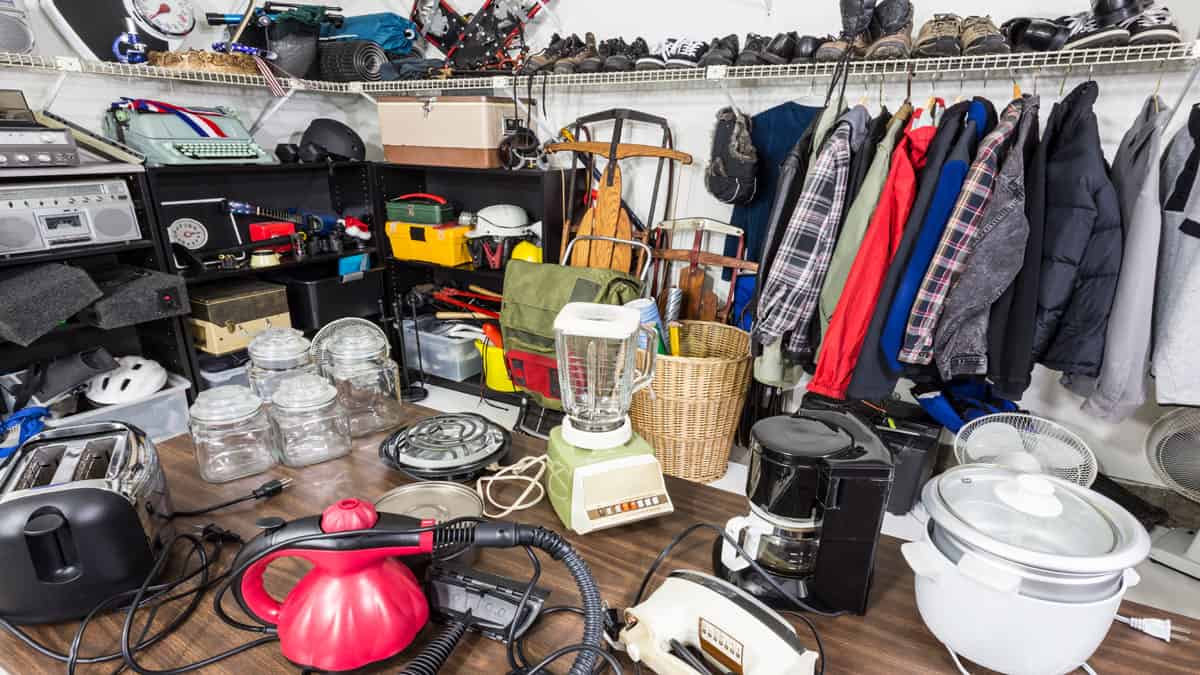
Receiving gifts on birthdays and holidays is a special time for celebration.
But, when you’re growing up in poverty, re-gifting may be the only way to celebrate a birthday or holiday.
Receiving secondhand items that have been given from one family member to another can be embarrassing and make a child feel less worthy.
13. Small Acts Mean A Lot

From a young age, kids in poverty often experience the feeling of being invisible.
Access to necessities or a strong support system is necessary for them to feel safe and remembered.
Small acts of kindness mean more than you know; a friendly smile from someone passing by can be enough to provide hope that there is still good in the world.
Showing children living in poverty that they are seen and truly valued can make a world of difference in how they feel about themselves.
14. They Value What They Have

Kids who live in poverty must learn to be resourceful and make the most out of what they have.
They quickly realize that every little thing matters no matter how small it may seem.
This makes them more likely to appreciate and care for their own things.
It also teaches them a valuable lesson about saving money and being content with what they have.
How To Get Free Food With No Money

If you are short on cash, not eating doesn’t have to be a reality.
Some options allow you to get free food, even if you don’t have any cash. Here is what you need to do.
How To Get Free Food With No Money
How To Save Money When You’re Broke

When you have no money, the idea of saving sounds impossible. In fact, the thought never crosses their mind for many people because they are only focused on getting money to survive.
But you can take steps to save money even when you are broke. Doing so will help you change your financial life faster than you thought possible.
HOW TO SAVE MONEY WHEN YOU’RE BROKE
How To Survive On $1,000 A Month
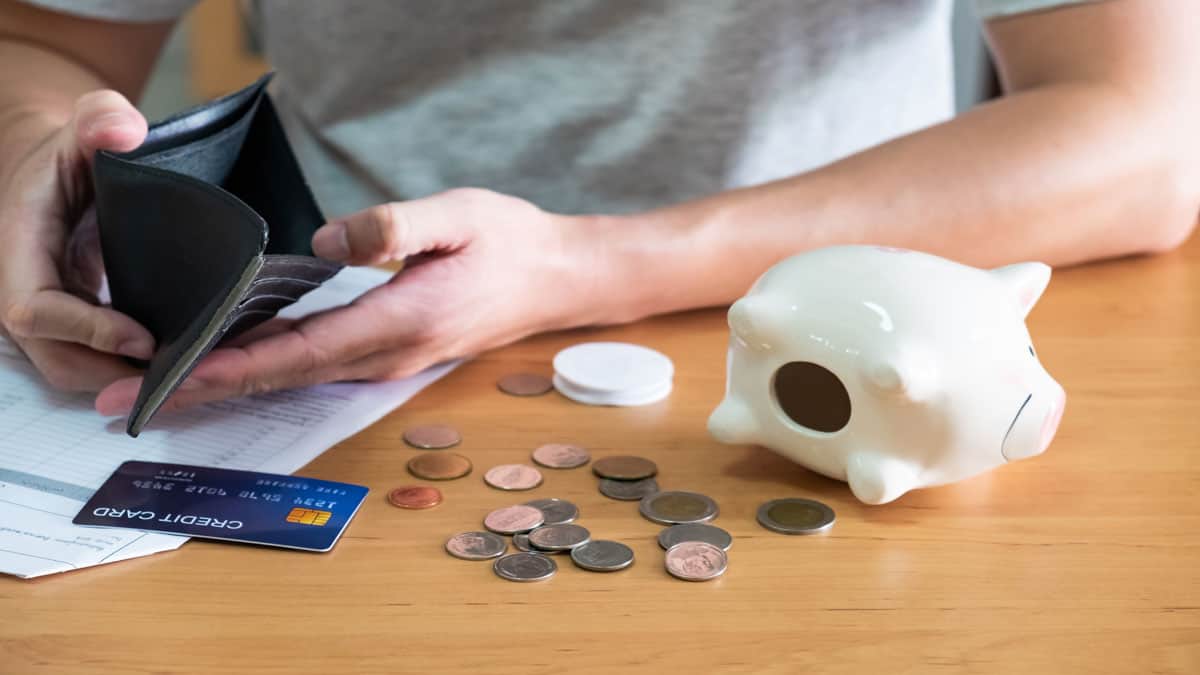
Do you find yourself in a situation when money is beyond tight? Will you make it to the end of the month with such limited income?
Fear no more. Here are the steps to take to survive on a small amount of money.
LEARN HOW TO SURVIVE ON $1,000 A MONTH
How To Get Free Money

The idea of free money sounds like it can’t be true. But it actually is.
You can get free money in many ways, from playing games to watching videos and more.
Here are the best ways you can get free money without having to work for it.
Legit Ways To Make $1,000 Fast

Are you in need of cash fast? You can do many things, but many of the ideas out there only allow for a limited income.
Here are over 25 great ways to make up to $1,000 in a short amount of time.
This thread inspired this post.
